Florida’s springs look much the same in January as they do in July: clear, blue-green water rising out of the limestone at a steady temperature. What changes is everything around them. Air temperature, rainfall, crowds, wildlife, and the length of the line at the park gate all shift with the calendar, and those shifts shape your day on the water far more than the spring itself.
The best time to visit Florida springs depends on what you want from the trip. A winter morning watching manatees and a summer afternoon cooling off in spring-fed water are two very different experiences, and looking at Florida springs by season shows that every stretch of the year comes with its own trade-offs worth weighing before you pick a date.
Why Timing Matters More Than Location When Visiting Florida’s Springs
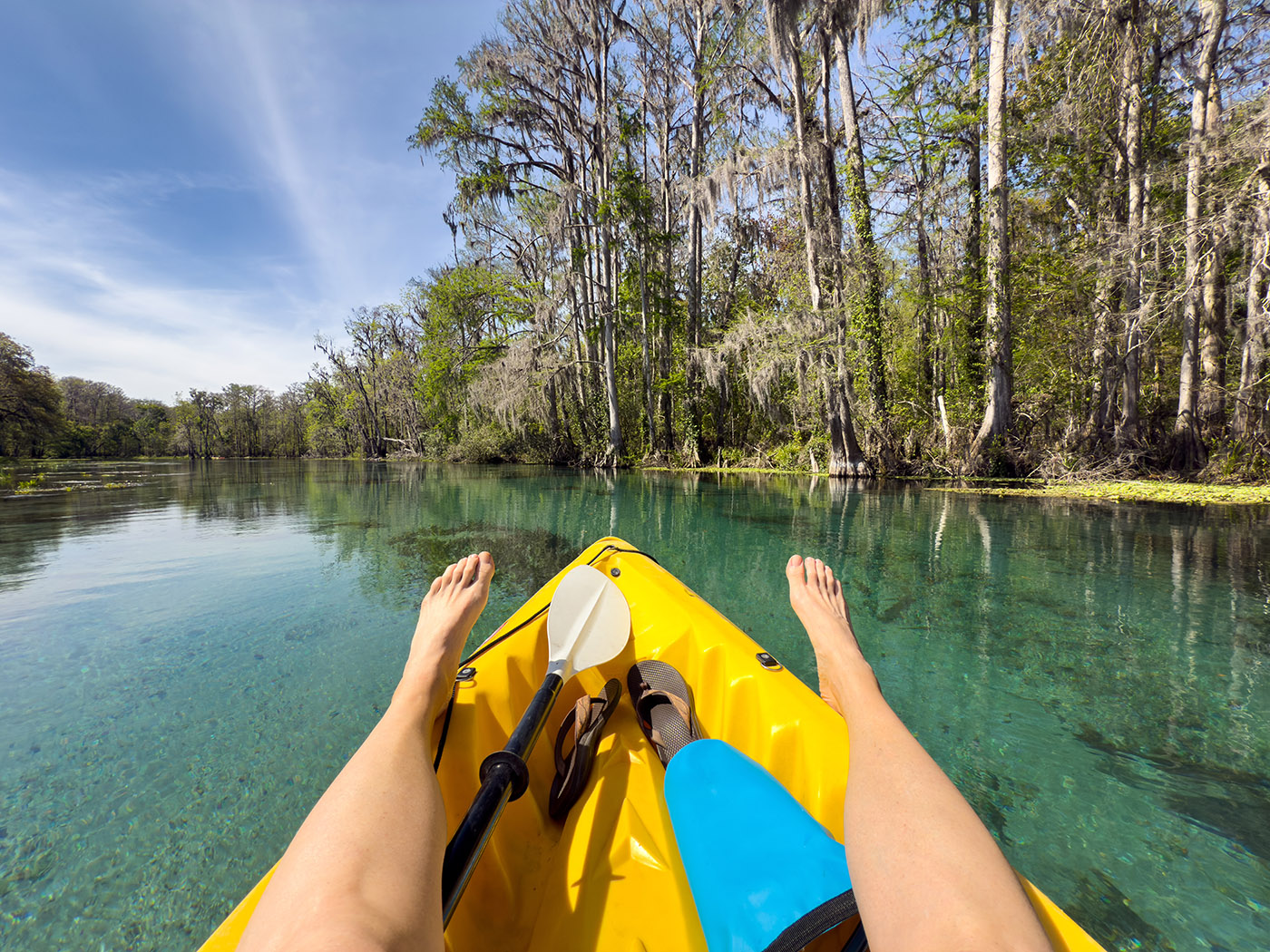
Most springs within an hour of Orlando draw from the same source and share the same clear, cool water. The spring you choose decides the scenery, but the date you choose decides the experience: a quiet weekday paddle or a packed holiday weekend, manatees at the boardwalk or a swim in the spring run, a clear morning or an afternoon spent waiting out a thunderstorm.
Central Florida runs on two real seasons, a wet summer and a dry winter, with tropical weather layered on top. The Atlantic hurricane season officially runs from June 1 through Nov. 30 and peaks around Sept. 10, which overlaps with the busiest swimming months.
Visiting Florida Springs in Winter: Manatees, Cool Air, and Warm Water
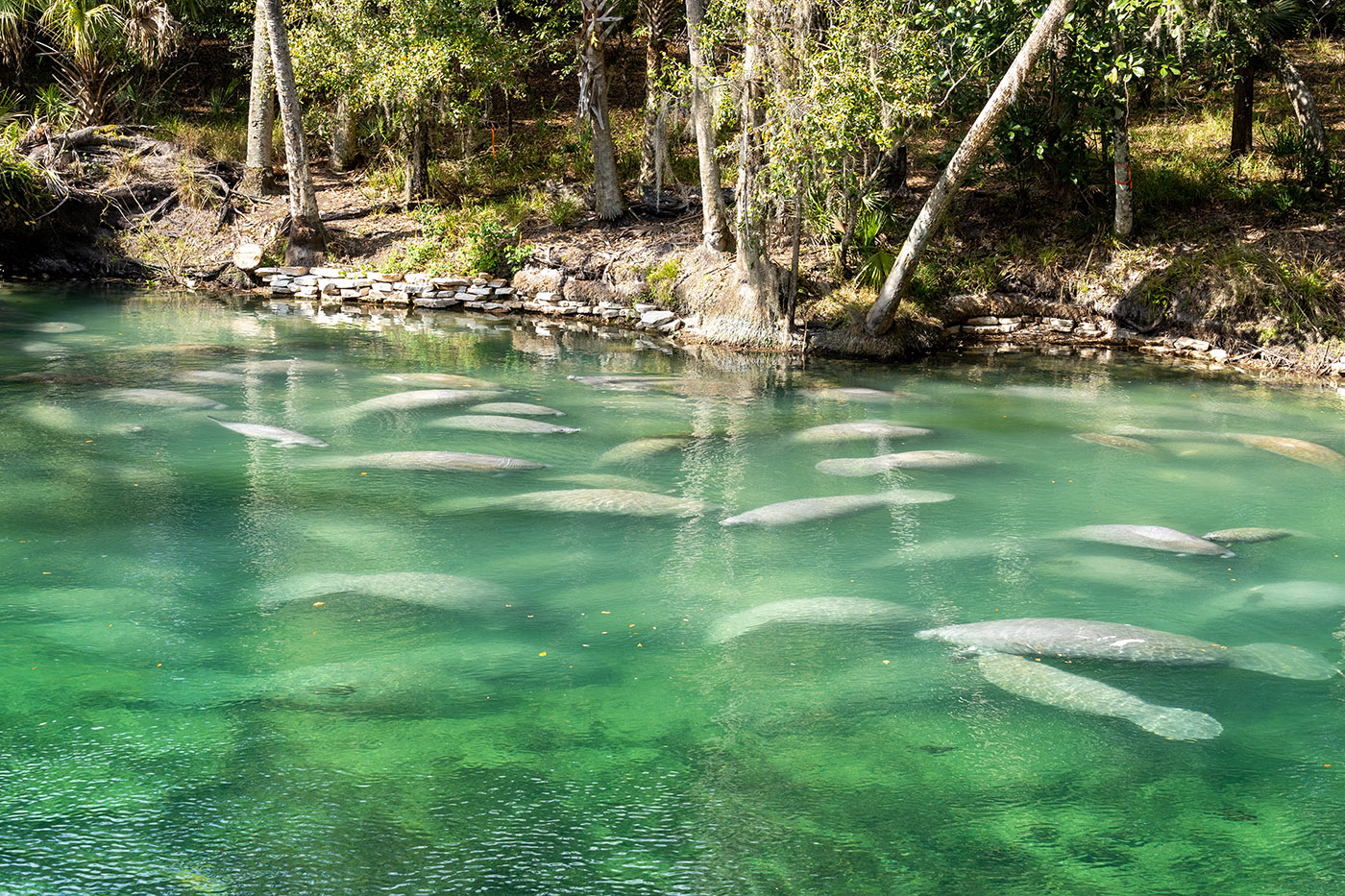
Winter is a great time to visit Florida springs, and the best season of the year for wildlife. Cold fronts bring crisp mornings, and on the coldest days, you can watch a light steam lift off the water as spring flow meets the cooler air. The springs keep flowing at the same steady temperature they hold in July, which feels surprisingly warm when the air is cool.
That temperature gap is what draws manatees inland. As rivers and coastal waters cool, manatee season at Florida springs begins, and Blue Spring State Park in Orange City becomes one of the best places in the state to see them from a boardwalk. Swimming at Blue Spring pauses during manatee season to protect the animals, so plan a winter trip there around boardwalk viewing and bring polarized sunglasses to cut the glare. A day-use reservation is required.
Florida springs in winter also come with thinner crowds. Outside the stretch between Christmas and New Year’s, weekday mornings on the Wekiva River in Longwood are some of the calmest of the year, and sunny afternoons bring turtles and alligators out to bask on logs along the banks. Florida springs holiday crowds build around school breaks, so a mid-January weekday usually feels far roomier than the week after Christmas. Seasonal events like Wekiva Island’s Winter Wonderland celebration add another reason to spend a winter day by the river.
When is manatee season at Florida springs?
Manatee season at Florida springs runs approximately from mid-November through March, when manatees leave cooling rivers and coastal waters for the steady warmth of spring runs. Manatees cannot stay in water below 68 degrees for long, so springs become their winter refuge. At Blue Spring State Park, the winter count has grown from about 36 manatees when research began in the 1970s to a record 932 counted on a single January morning in 2024. The coldest mornings bring the largest gatherings, and swimming and other water activities at Blue Spring close during the season to protect the animals.
Visiting Florida Springs in Spring: Ideal Weather and Spring Break Crowds
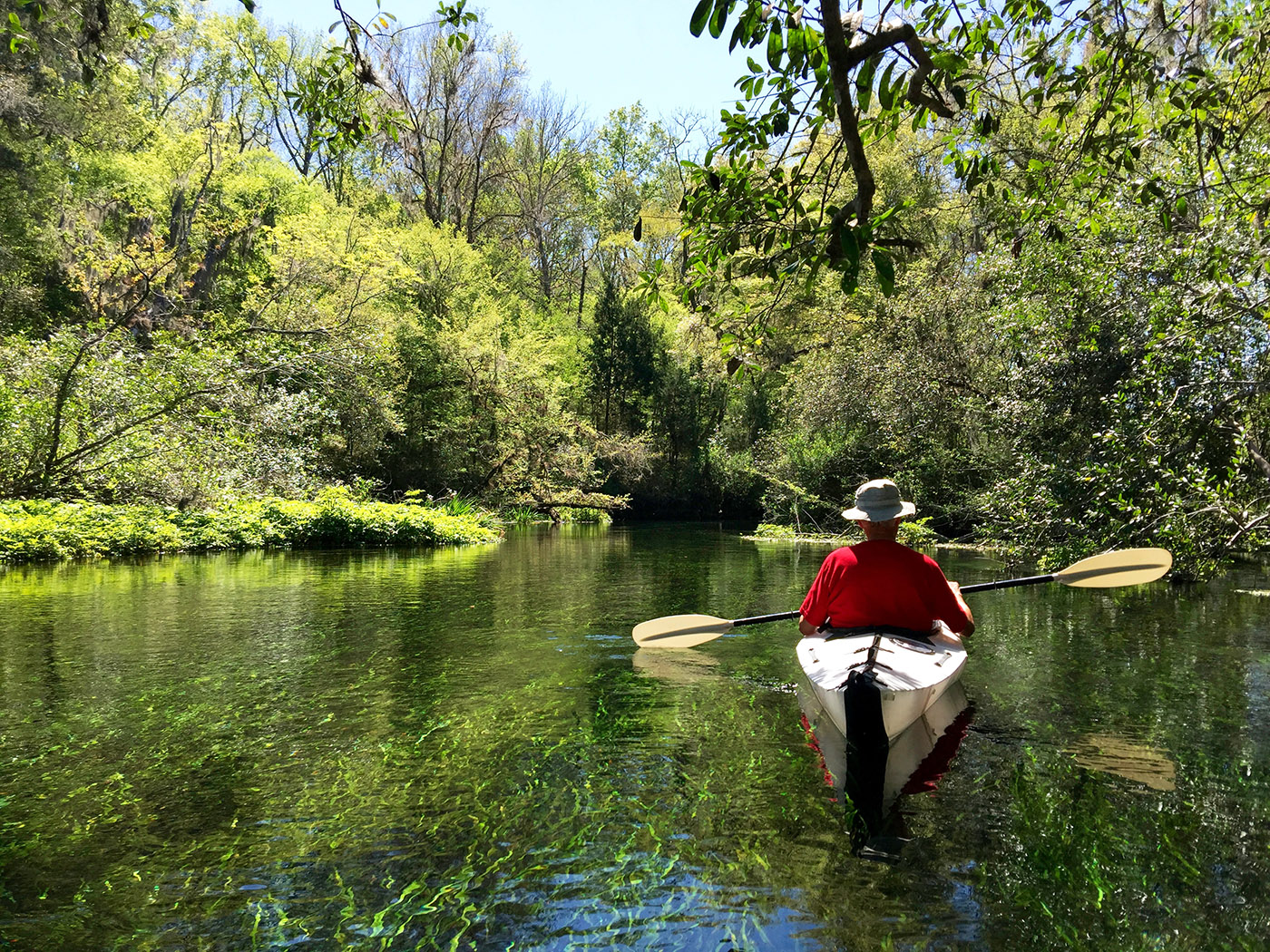
Spring is a great time to visit Florida springs, with the most comfortable weather of the year and the trade-off of spring break crowds. March and April bring warm afternoons, lower humidity, and mostly dry days, which makes springtime at Florida springs ideal for long paddles and picnics by the water. By late March, the air is warm enough that spring water feels refreshing rather than brisk.
Timing within the season matters. Florida springs spring break traffic peaks in March, when school breaks across the country overlap, and Orlando fills with visitors. Popular state parks near Orlando can fill their lots by mid-morning on weekends, and four parks now require day-use entry reservations: Wekiwa Springs, Blue Spring, Rainbow Springs, and Henderson Beach. Manatees head back out to rivers and coastal waters as temperatures climb, and Blue Spring reopens for swimming once manatee season wraps up.
On the Wekiva River, spring brings active birdlife and long, pleasant afternoons on the water. Canoe, kayak, and paddleboard rentals at Wekiva Island are first-come, first-served, so spring weekend visitors do best arriving early.
Is spring a good time to visit Florida springs?
Spring is one of the best times to visit Florida springs, because Orlando’s dry, mild weather typically holds until the rainy season begins around May 27. March through mid-May brings warm afternoons, comfortable mornings, and fewer storms than summer. The main trade-off is spring break, when weekend crowds peak at the most popular springs, so weekday visits and early arrivals make the biggest difference this time of year.
Visiting Florida Springs in Summer: Heat Relief and Afternoon Storms
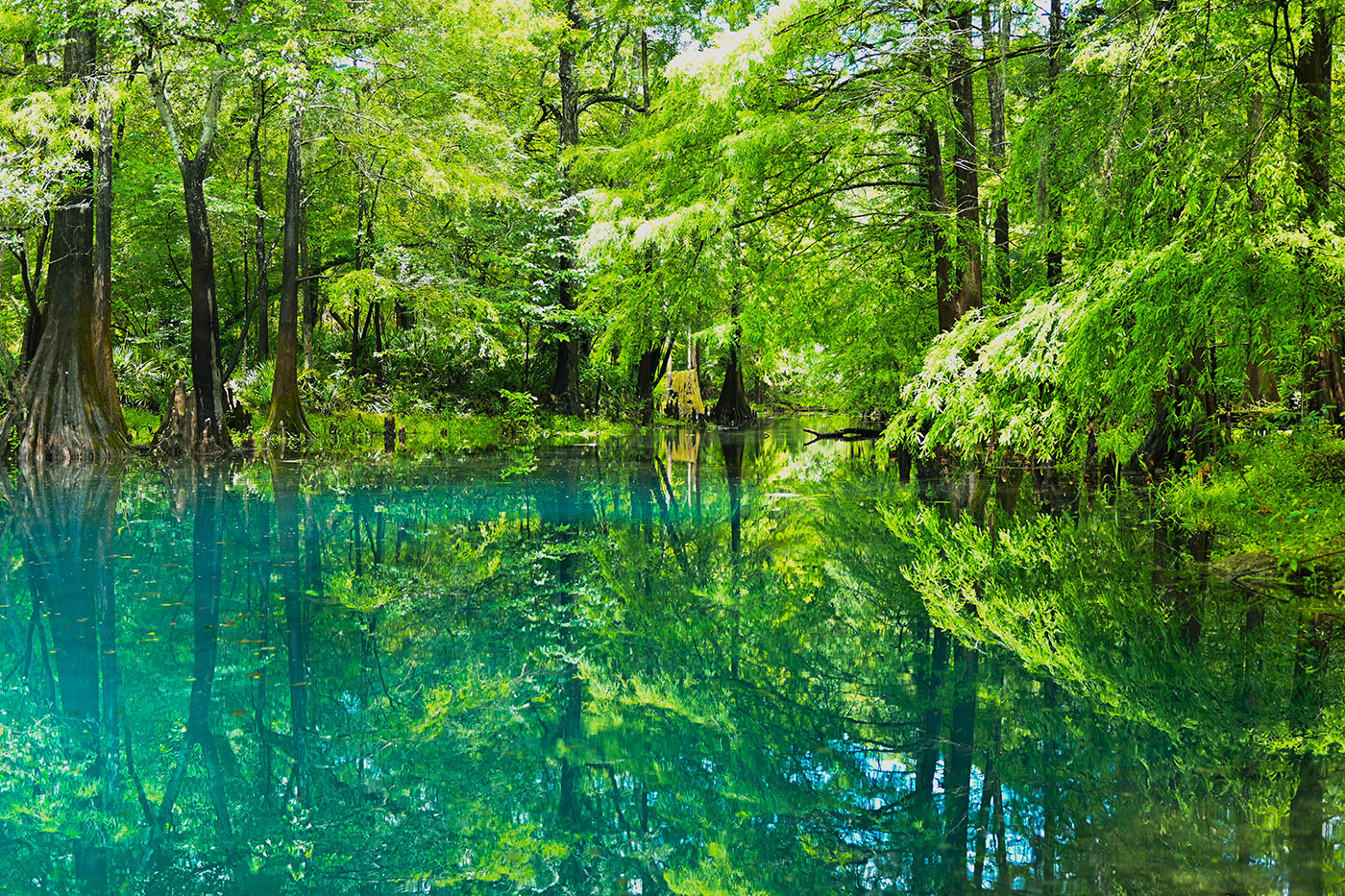
Summer is a good time to visit Florida springs when cooling off is the goal, with two things to plan around: crowds and afternoon storms. Visiting Florida springs in summer means stepping out of heavy heat and humidity into spring water that feels cold on contact, which is exactly why summer is peak season. On comfort alone, the best time to swim in Florida springs is a hot summer morning.
Popular springs fill fast. Wekiwa Springs State Park, which is open 8 AM to sunset, 365 days a year, charges $6 per vehicle. The park reaches capacity during the week and on weekends in the summer months, and holiday weekends like Memorial Day, the Fourth of July, and Labor Day draw some of the biggest crowds of the year. Day-use entry reservations are required at Wekiwa Springs State Park. They can be booked up to 60 days ahead, with same-day reservations available until the daily limit is reached, and the $6 per-vehicle entry fee is paid at booking. Afternoon thunderstorms are the other summer pattern. Storms tend to build after lunch, arrive fast, and bring lightning and heavy rain, so morning paddles and swims make the most of the day, and the first rumble of thunder is the signal to get off the water and wait it out under cover.
Florida springs in summer reward a plan built around the morning. At Wekiva Island, that can mean an early paddle followed by a shaded afternoon by the river, and riverside cabanas at Wekiva Island can be reserved ahead of time for groups who want a home base for the day.
How much does it rain at Florida Springs in summer?
Summer is the rainiest season at Central Florida springs, with one long-term east-central Florida record showing that 64% of yearly rainfall falls during a wet season that covers just 38% of the year. Most of that rain arrives as afternoon thunderstorms that build with the day’s heat, so mornings are usually the clearest, calmest window for swimming and paddling. On stormy days, plan to be off the water by early afternoon and check the radar before heading out.
Visiting Florida Springs in Fall: The Quietest Season on the Water
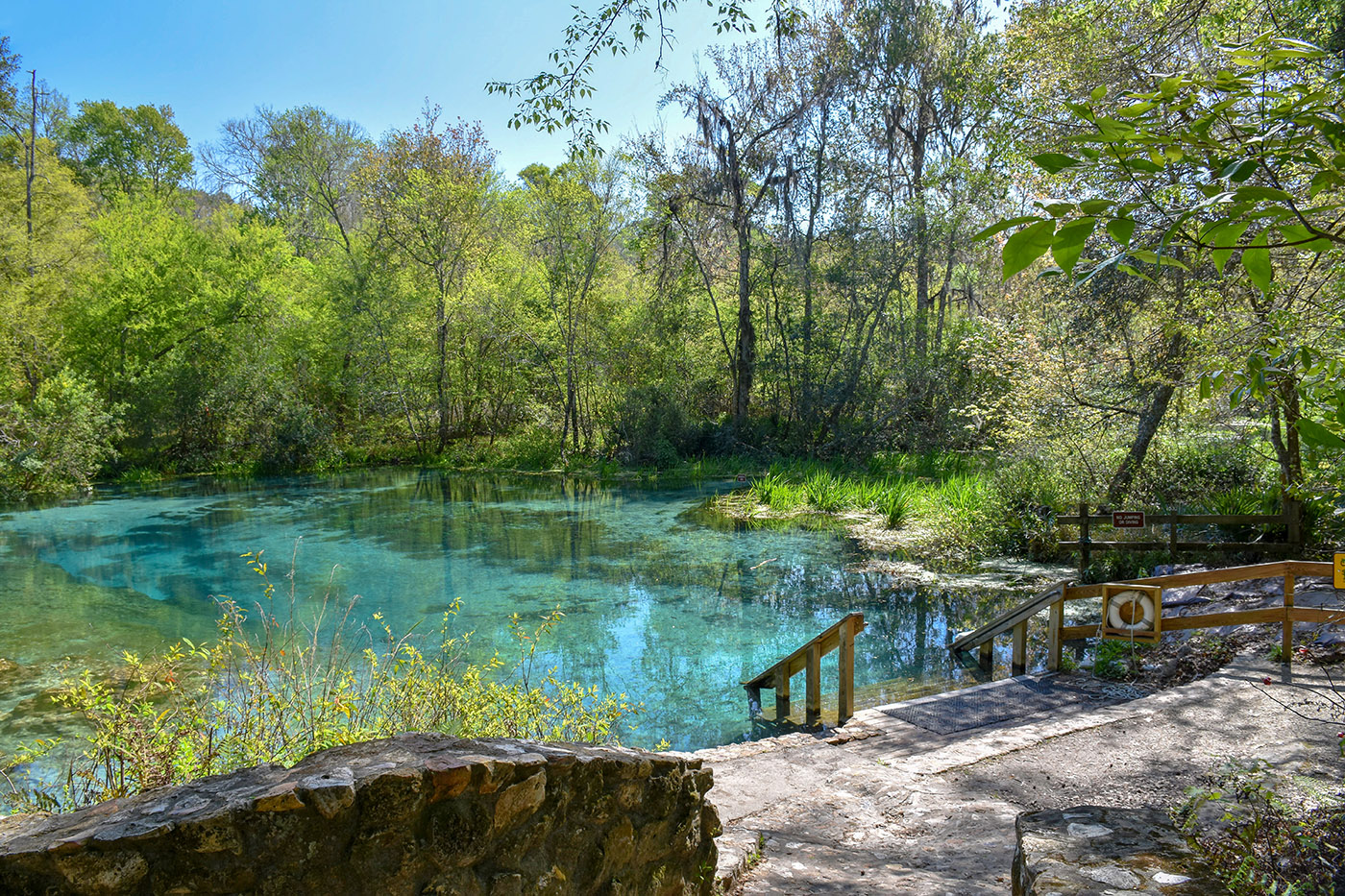
Fall is a great time to visit Florida springs, and October is the quietest month on the water. Kids are back in school, summer travelers have gone home, and the springs settle into a slower rhythm that locals look forward to all year. Florida springs in the fall still offer warm afternoons for a swim, with lower humidity and fewer storms as the season goes on.
Late fall delivers more reliable weather than early fall. September sits at the height of hurricane season and still feels like summer, while late October and November bring drier air, cooler mornings, and some of the best paddling weather of the year. This stretch doubles as the Florida spring off-season for crowds, which makes it the best time to visit Wekiva River sections that feel busy in July.
Deciding when to visit Wekiva Island in the fall comes down to the kind of day you want. Weekday mornings bring the calmest river, and October weekends add seasonal fun like Wekiva Island’s Halloween events to a day of canoeing, kayaking, or paddleboarding.
When is the quietest time to visit Florida springs?
The quietest time to visit Florida springs is mid-October through mid-November, after Orlando’s dry season typically begins around Oct. 15 and the first sub-60-degree mornings arrive around Oct. 19, and before winter holiday travel picks up. Summer crowds have cleared by then, afternoon storms become less frequent, and the spring water holds its usual steady temperature. Weekday visits during this window offer the most room on the water at popular springs and along the Wekiva River.
Why Florida Springs Stay 68 to 72 Degrees Year-Round, No Matter the Season
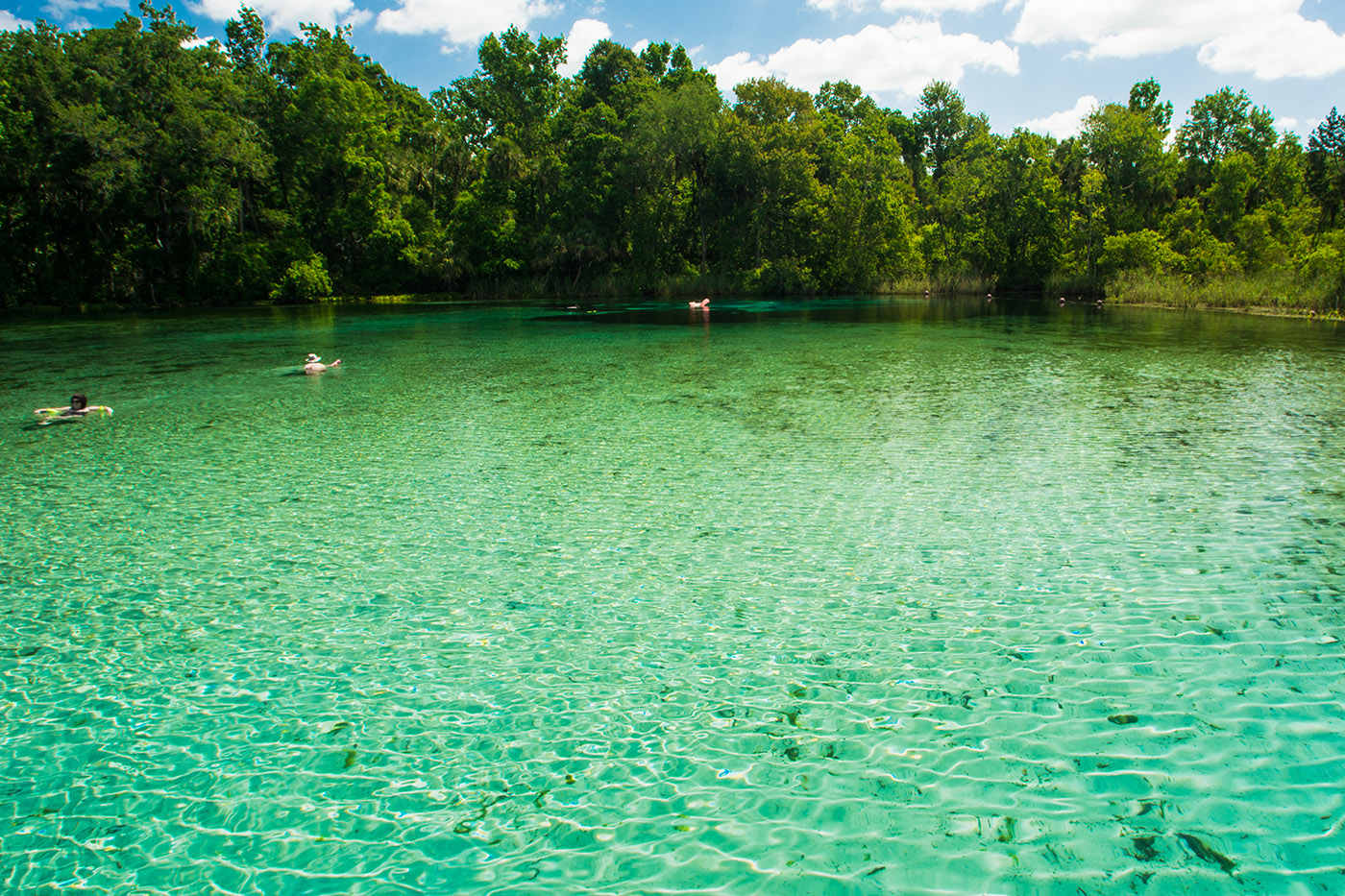
Florida’s springs carry groundwater from the Floridan aquifer, a vast layer of porous limestone beneath most of the state. Rain soaks into the ground, slowly filters through the rock, and travels underground, where it settles at a steady temperature, well away from the swings of the air above. When that water reaches a spring vent and flows to the surface, it brings the same temperature with it in every season.
That consistency is why spring water stays about 68 to 72 degrees year-round, and why a single spring can feel completely different depending on when you visit. In August, spring water feels cold against the summer heat. In January, the same water feels warm, and on frosty mornings it rises in light steam. Florida springs water temperature is one of the few parts of a trip you can count on in any month, which leaves the real planning questions to the air, the crowds, and the wildlife.
What is the water temperature at Florida Springs?
Florida springs maintain a consistent temperature of 68 to 72°F year-round because the water rises from the Floridan aquifer, where it is insulated from air temperature fluctuations. Many Central Florida springs, including Wekiwa Springs at the headwaters of the Wekiva River, sit at the upper end of that range. The water feels cold in summer and warm in winter, even though its temperature barely changes.
Best Time of Day to Visit Florida Springs to Avoid Crowds
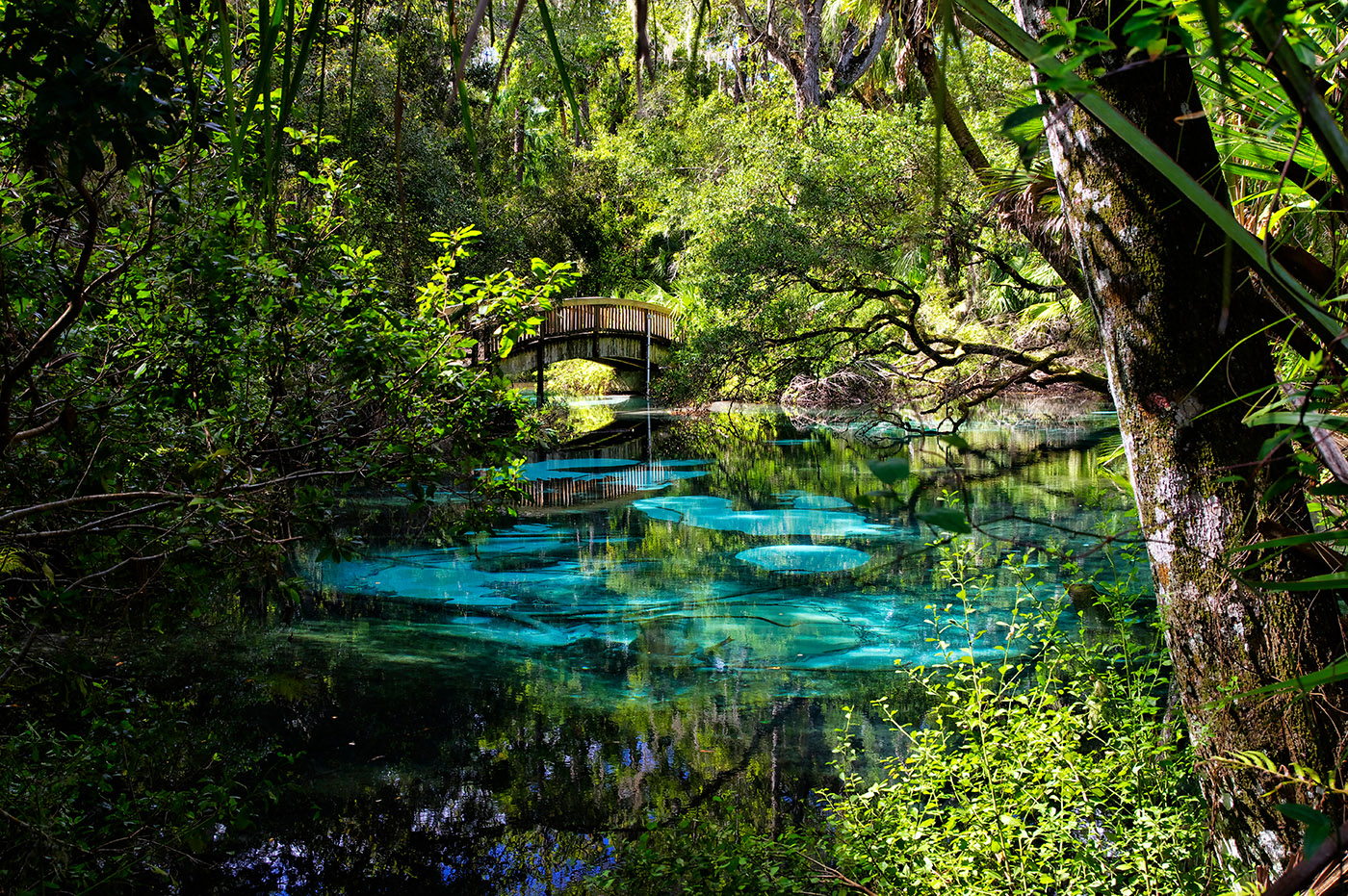
The best time of day to visit Florida springs is first thing in the morning. Parking lots and swim areas fill quickly from mid-morning on during busy seasons, and the first hour after opening usually offers the most space, the calmest water, and the best light for seeing straight to the sandy bottom. Wildlife is more active early too, with wading birds feeding along the banks and turtles moving into the sun.
Late afternoon is the second-best window, particularly on weekdays when day visitors start heading home. In summer, that window depends on the weather, since afternoon storms can clear swim areas and the river for a stretch. Carpooling helps on busy days when parking is limited.
What time should you arrive at Florida Springs to avoid crowds?
Arrive right at opening, which is 8 AM daily at Wekiva Island, with closing at 7 PM Sunday through Thursday and 11 PM Friday and Saturday, to stay ahead of the crowds at Florida springs on busy days. Popular springs and riverfront parks near Orlando can reach capacity by mid-morning on summer and holiday weekends, while the first hour of the day brings open parking, calm water, and active wildlife. Many parks require reservations, but Wekiva Island is first-come, first-served. Late afternoon on a weekday is the next best option once day visitors begin to leave.
Choosing Your Season: Matching Spring Visits to What You Want From Your Trip
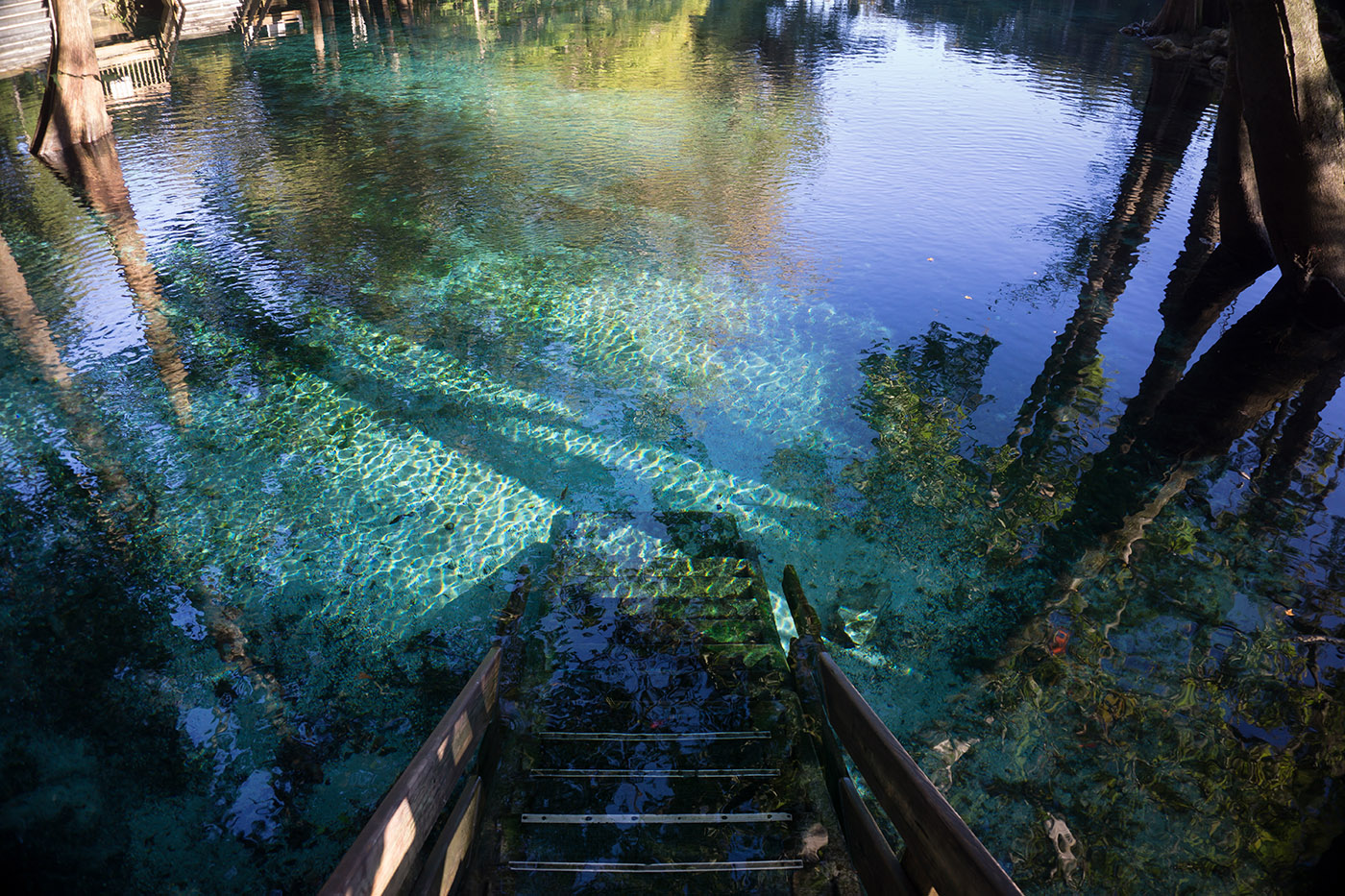
The best season for Florida springs depends on what you want from the trip, since each season trades one thing for another. For manatees, plan for mid-November through March and expect cool mornings and boardwalk viewing at refuge springs. For swimming in hot weather, summer delivers, as long as you arrive early and plan around afternoon storms. For comfortable weather with the fewest people, mid-October through mid-November is hard to beat; for warm, dry days with a lively atmosphere, March through May works well, with spring break weekends as the busiest stretch.
Florida springs crowds by season follow a predictable pattern: summer and holiday weekends draw the most visitors, spring break fills March, and late fall and winter weekdays stay the calmest. Anyone wondering when to avoid Florida springs crowds can use that pattern to pick a weekday in the quieter months. Looking at Florida springs weather by month, the wet season runs late May through mid-October, and the dry season covers the rest of the year.
Florida natural springs seasons also vary by activity. Paddling works year-round, and a canoe, kayak, or paddleboard on the Wekiva River offers something new in every season: basking turtles and wading birds in winter, active birdlife in spring, cool spring-fed water in summer, and quiet mornings in fall. The best month to visit Florida springs for a mix of comfortable weather, open space, and active wildlife is often November, when the dry season has settled in and holiday travel hasn’t picked up yet. Planning a full day on the river starts on the Wekiva Island amenities page.
Frequently Asked Questions About the Best Time to Visit Florida Springs
Is it ever too cold to visit Florida springs?
The water never gets too cold because Florida springs maintain a similar temperature year-round. The air can feel chilly on the coldest winter mornings, when a swim feels warm going in and brisk coming out. Paddling and wildlife viewing stay comfortable through winter with layers, and cold snaps are the best days of the year for spotting manatees at refuge springs.
What month has the least rain at Florida Springs?
The driest stretch of the year at Central Florida springs falls within the dry season, which runs from mid-October until the rainy season returns in late May. Late fall and winter months generally see the fewest rainy days, with occasional showers tied to passing cold fronts. Summer months bring the most rain, mostly in the form of afternoon thunderstorms.
Are Florida springs open year-round?
Most Florida springs are open year-round, though swimming access can change with the season. Blue Spring closes its spring run to swimming and other water activities during manatee season, and busy state parks may temporarily close their gates once they reach capacity. Wekiva Island is open daily, with current hours posted on its website, and occasionally closes for special events.
Do Florida springs get crowded on weekdays?
Weekdays are usually quieter, but the most popular springs can still fill up in summer. Wekiwa Springs State Park reaches capacity on weekdays as well as weekends during the summer months, and reservations are required. Fall, winter, and late spring weekdays offer the most breathing room.
Is Wekiva Island busier in summer or winter?
Wekiva Island is busier in summer, when warm weather and school breaks bring the biggest crowds to the river, especially on weekends and holidays. Winter is quieter, with cooler air, calmer weekday mornings, and seasonal events that add to the season.
What time of year has the clearest spring water?
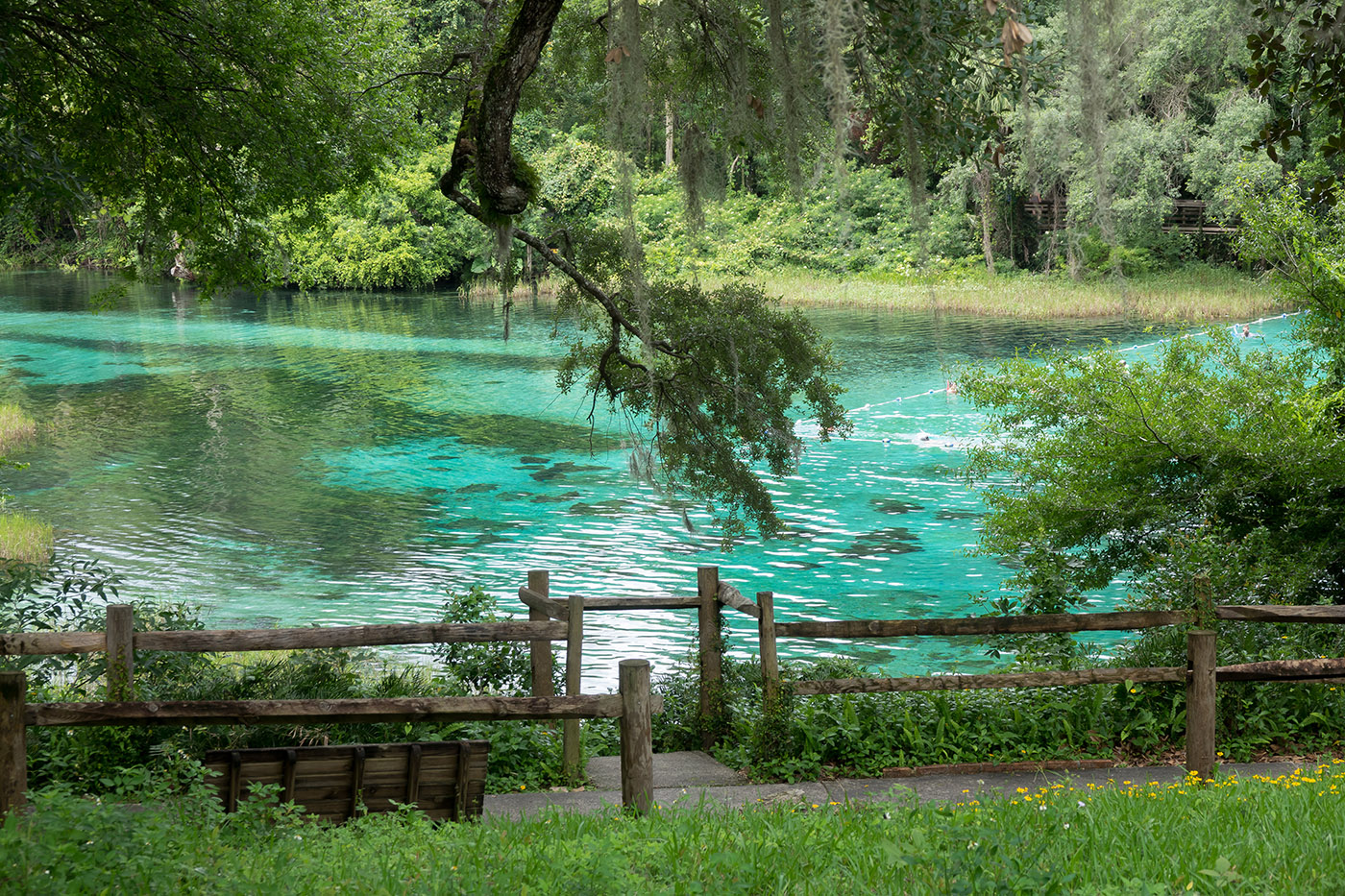
The clearest spring water usually comes during the dry season, from late fall through spring, when less rain runoff and river flooding reach the springs. Heavy rain can push darker river water back into spring runs, and a survey of 62 springs on the Suwannee and Santa Fe rivers linked flood-driven intrusions to reduced clarity and the loss of aquatic vegetation. Spring vents tend to stay clear, while downstream runs and rivers show the effects of summer storms most.